
In the health-conscious world, avocados are celebrated not only for their rich, creamy texture and versatility but also for their nutritional profile. A common question among diet enthusiasts and health-conscious individuals is: How many calories are in a small avocado? Understanding the caloric content of avocados can be crucial for those monitoring their daily intake for weight management or nutritional purposes.
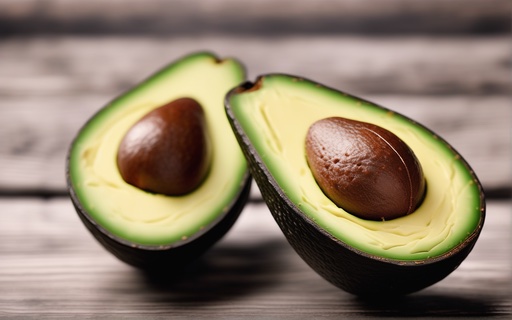
Caloric Breakdown of a Small Avocado
The calorie content in avocados can vary based on their size. According to the United States Department of Agriculture (USDA), a small avocado (weighing approximately 150 grams) contains about 234 calories, making it a high-energy food. This caloric value can be a crucial consideration for those who are mindful of their daily caloric intake.
Macronutrients:
- - Fat: Avocados are rich in healthy fats, particularly monounsaturated fats. A small avocado has about 21 grams of total fat, which includes 3 grams of saturated fat, 1 gram of polyunsaturated fat, and about 15 grams of monounsaturated fat.
- - Protein: A small avocado provides around 3 grams of protein.
- - Carbohydrates: It contains about 12 grams of carbohydrates, predominantly from fiber.
- - Fiber: With about 9 grams of dietary fiber, avocados are an excellent source for aiding digestion and promoting satiety.
Vitamins and Minerals:
- - Vitamin K: Essential for blood clotting and bone health, a small avocado delivers approximately 31 micrograms of Vitamin K, which is about 39% of the Daily Value (DV).
- - Folate: With about 90 micrograms, it provides roughly 23% of the DV for folate, beneficial for cell function and tissue growth.
- - Vitamin C: Essential for immune function and skin health, it offers about 10 mg, or 11% of the DV.
- - Potassium: With 708 mg of potassium, avocados are a great source to support heart health, contributing to 15% of the DV.
- - Other Nutrients: Avocados also contain smaller amounts of magnesium, vitamin E, vitamin B-6, and iron.
Why Understanding Avocado Calories Matters
Knowing the calorie content in avocados is essential for:
- - Weight Management: For individuals tracking their calorie intake for weight loss or maintenance, understanding the caloric contribution of avocados to their diet is vital.
- - Nutritional Planning: Avocados are packed with nutrients, and knowing their calorie count helps in planning a balanced and nutritious diet.
Health Benefits of Avocados
Avocados are not only about their calorie content; they are packed with beneficial nutrients:
-
- Heart Health: The monounsaturated fats in avocados are beneficial for heart health.
-
- Weight Management: High fiber content contributes to feelings of fullness, potentially aiding in weight management.
-
- Blood Sugar Regulation: The low carbohydrate and high fiber content can help in managing blood sugar levels.
-
- Skin and Eye Health: Rich in vitamins E and C, avocados contribute to healthy skin and eyes. The antioxidants present in avocados can protect your skin from UV damage and improve its elasticity and hydration.
-
- Digestive Health: The high fiber content not only aids in digestion but also helps maintain a healthy gut microbiome.
-
- Cognitive Function: Avocados contain folate and vitamin K, which are known to improve cognitive functions, especially memory and concentration.
Incorporating Avocados into Your Diet
Given their nutritional profile, avocados can be a healthy addition to various meals:
-
- Classic Guacamole: Mash ripe avocados with lime juice, chopped onions, tomatoes, cilantro, and season with salt and pepper for a perfect dip or spread.
-
- Avocado Toast: Spread mashed avocado on whole-grain toast and top with poached eggs, red pepper flakes, and a sprinkle of sea salt for a nutritious breakfast.
-
- Avocado Salad: Combine sliced avocado with mixed greens, cherry tomatoes, cucumbers, and a vinaigrette dressing for a refreshing salad.
-
- Avocado Smoothie: Blend avocado with banana, spinach, Greek yogurt, and almond milk for a creamy and healthy smoothie.
-
- Stuffed Avocados: Fill avocado halves with a mixture of cooked quinoa, black beans, corn, and topped with a sprinkle of cheese for a wholesome meal.
-
- Avocado Pasta: Blend avocado with garlic, basil, lemon juice, and olive oil for a creamy pasta sauce.
-
- Chocolate Avocado Mousse: Mix pureed avocado with cocoa powder, a sweetener of your choice, and a touch of vanilla extract for a decadent yet healthy dessert.
Conclusion
While a small avocado contains about 234 calories, its nutritional value extends far beyond just calories. Packed with healthy fats, fiber, vitamins, and minerals, avocados are a nutritious addition to any diet. Understanding their caloric content helps in making mindful dietary choices, especially for those managing calorie intake for weight-related goals.
Disclaimer: This article is for informational purposes only and is not intended as medical or dietary advice. Always consult a healthcare professional or nutritionist for personalized dietary recommendations, particularly if you have specific health conditions or dietary restrictions.
References
1. USDA Food Data Central. "Avocados, raw, all commercial varieties." https://fdc.nal.usda.gov/fdc-app.html#/food-details/171705/nutrients.
2. California Avocado Commission. https://californiaavocado.com/
3. National Institutes of Health Office of Dietary Supplements: Vitamin and Mineral Fact Sheets. https://ods.od.nih.gov/factsheets/list-VitaminsMinerals/
4. Harvard T.H. Chan School of Public Health. Avocados. https://www.hsph.harvard.edu/nutritionsource/avocados/