
Chicken breast is a go-to choice for those looking to boost their protein intake. Packed with essential nutrients and relatively low in fat, it’s a staple in fitness and nutrition-focused diets. But how much protein is in 1 lb of chicken breast? Let’s dive into the details.
How Much Protein is in 1 lb of Chicken Breast?
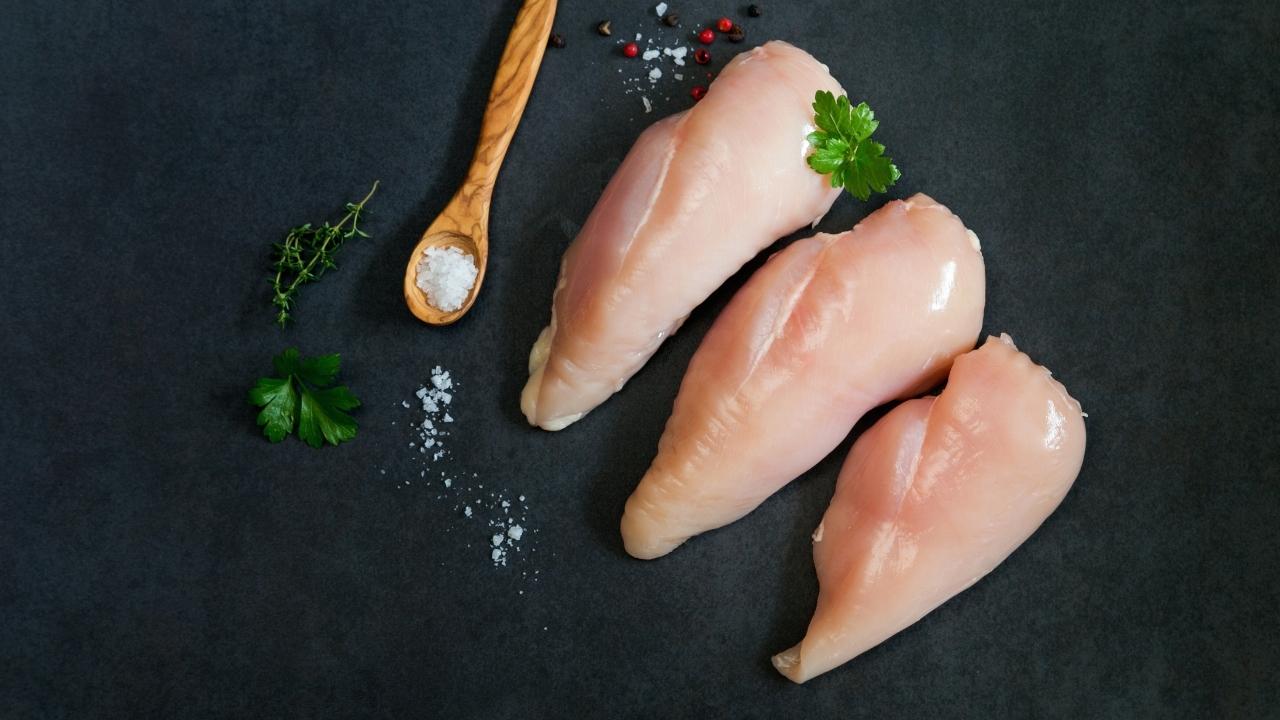
One pound of raw, skinless, boneless chicken breast contains approximately 100-120 grams of protein. The exact amount can vary slightly based on the specific cut and preparation method.
Here’s a general breakdown:
- Raw chicken breast: ~100 grams of protein per pound.
- Cooked chicken breast: ~80-85 grams of protein per pound (protein content is more concentrated after cooking due to water loss).
Factors Influencing Protein Content
Several factors can affect the protein content in chicken breast:
1. Cooking Method: Grilling, baking, or boiling can lead to varying degrees of moisture loss, affecting the final protein concentration.
2. Presence of Skin and Bones: Chicken breast with skin and bones will have a different protein-to-weight ratio compared to boneless, skinless cuts.
3. Quality and Source: The chicken's diet and living conditions can influence its overall nutritional profile.
Nutritional Profile of Chicken Breast
Besides being a protein powerhouse, chicken breast is packed with essential nutrients:
- Calories: ~500 per pound (raw). This can increase if cooked with oil or sauces.
- Fat: Low in fat, with only 5-6 grams per pound.
- Carbohydrates: Zero carbs, making it a great option for low-carb diets.
Why is Chicken Breast a Great Protein Source?
Chicken breast is one of the leanest and most versatile protein sources available. Here are some reasons it’s a staple in many diets:
- Low in Fat: Skinless chicken breast is naturally low in fat, making it a lean protein option.
- Rich in Nutrients: Besides protein, it contains essential nutrients like B vitamins, phosphorus, and selenium.
- Versatile in Recipes: From grilling and baking to stir-frying, chicken breast fits into various cuisines and dietary preferences.
How Does 1 lb of Chicken Breast Fit Into Your Daily Protein Needs?
Your daily protein requirements depend on factors like age, activity level, and health goals. Here’s how 1 lb of chicken breast fits into different dietary needs:
- For Weight Loss: High-protein diets can promote satiety and reduce cravings. One pound of chicken breast provides about 96-104 grams of protein, helping you stay full longer.
- For Muscle Gain: Active individuals and bodybuilders often aim for 1-1.5 grams of protein per pound of body weight. One pound of chicken breast can easily fulfill a significant portion of that goal.
Benefits of High-Protein Foods Like Chicken Breast
1. Muscle Growth and Repair: Protein is essential for muscle recovery after workouts.
2. Supports Weight Management: High-protein foods increase satiety, helping control hunger and calorie intake.
3. Boosts Metabolism: Protein has a higher thermic effect, meaning your body burns more calories digesting it.
Tips for Cooking Chicken Breast
To maximize the protein content and flavor of chicken breast:
1. Opt for Skinless Cuts: The skin adds extra calories and fat.
2. Use Minimal Oil: Grilling or baking with a light oil spray keeps it low-calorie.
3. Season Smartly: Herbs and spices enhance flavor without adding unnecessary calories or sodium.
Conclusion
A pound of chicken breast provides a substantial protein boost, making it a staple for anyone looking to meet their dietary goals. With around 100-120 grams of protein in its raw form, chicken breast is an excellent choice for muscle building, weight management, and overall health. Incorporate it into your meals for a versatile and nutrient-dense protein source.
Disclaimer: Nutritional values can vary based on specific brands, preparation methods, and individual factors. It's advisable to consult with a nutritionist or healthcare provider for personalized dietary advice.
References
1. Chicken, broiler or fryers, breast, skinless, boneless, meat only, cooked, braised - USDA FoodData Central Food Details. (n.d.). https://fdc.nal.usda.gov/food-details/331960/nutrients
2. Jarot. (2024, September 12). Protein content in chicken: Pound-by-Pound breakdown. Scientificamerican.blog. https://scientificamerican.blog/protein-content-in-chicken-pound-by-pound-breakdown/
3. Rd, R. R. M. (2024, May 1). How much protein in chicken? breast, thigh and more. Healthline. https://www.healthline.com/nutrition/protein-in-chicken
4. Dietary Guidelines for Americans. https://www.dietaryguidelines.gov/sites/default/files/2020-12/Dietary_Guidelines_for_Americans_2020-2025.pdf