
Reverse Dieting: Comment to Safely Increase Calories Without Regaining Fat
Learn how reverse dieting helps clients restore metabolism and energy while avoiding unwanted weight gain.
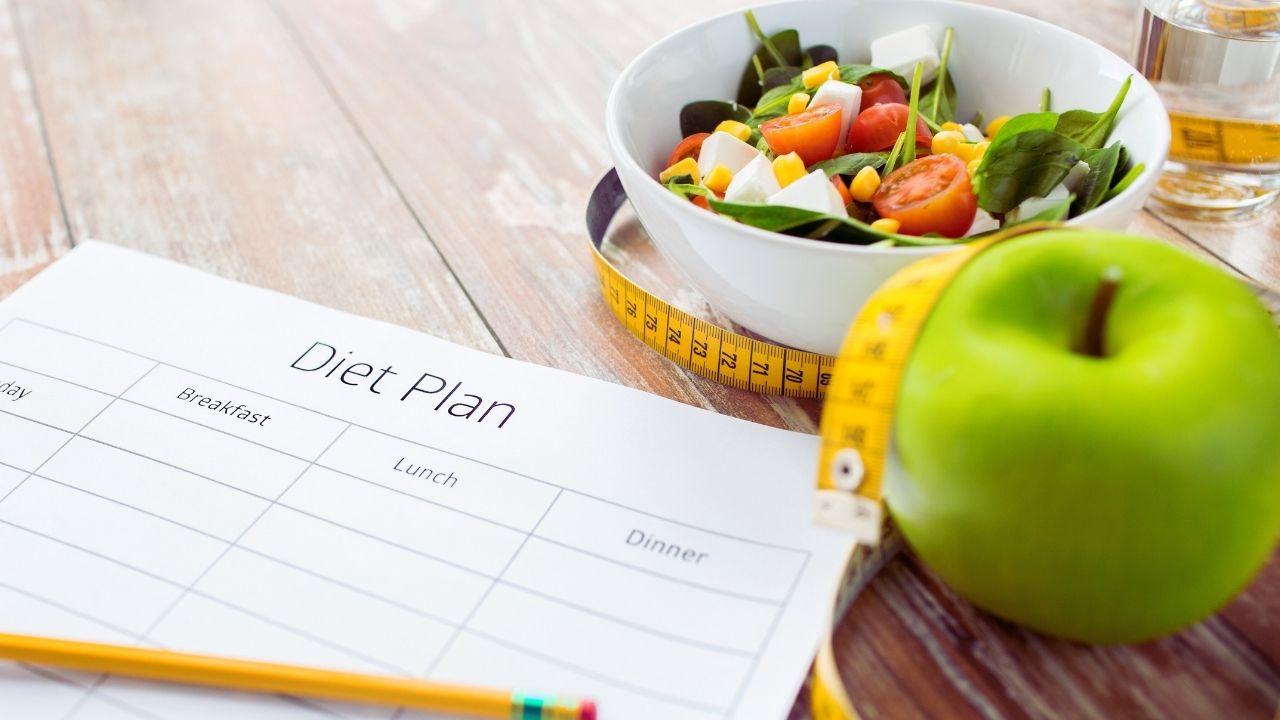
Pour les personal trainers, les coachs en nutrition et les diététiciens, l'une des phases les plus difficiles du parcours client commence après un programme de perte de graisse réussi. Les augmentations caloriques rapides déclenchent souvent un rebond pondéral, un ralentissement métabolique et de la frustration — annulant des semaines de travail soigneux.
C'est là que le reverse dieting entre en jeu. Cette augmentation stratégique et progressive des calories aide le corps à récupérer d'un déficit calorique, restaure l'énergie et soutient la croissance musculaire tout en minimisant le gain de graisse. C'est un sujet à fort intérêt avec un volume de recherche croissant, en faisant un outil précieux tant pour les résultats clients que pour votre visibilité professionnelle.
Quoi Is Reverse Dieting?
Reverse dieting is a gradual, structured increase in daily calories after a fat-loss phase. The goal is to help the body adapt to a higher energy intake without rapid fat regain .
During long or aggressive diets, metabolism adapts: resting metabolic rate slows and NEAT (non-exercise activity) drops. This is why jumping straight back to "normal eating" often causes fast weight rebound.
🔥 Protects metabolic health – Slowly raises calories so metabolic rate recovers. 💪 Improves training performance – More carbs and protein support strength and recovery. 🥗 Reduces binge risk – Planned increases prevent the "post-diet free-for-all."
Quand le Reverse Dieting Fonctionne le Mieux
Reverse dieting is ideal for clients who:
✅ 12+ week fat-loss phase at low calories. 😴 Low energy, cold hands/feet, or stalled progress despite consistent training. 🏋️ Goal to maintain or build lean muscle after a successful cut.
It's not essential if a client is already near maintenance calories or hasn't dieted aggressively.
Protocole de Régime Inversé Étape par Étape
1️⃣ Establish Baseline Calories – Use the average intake from the final 1–2 dieting weeks. – Track weight consistently.
2️⃣ Add Calories Gradually – Increase by 50–100 kcal per week , mostly from carbs and a bit of fat. – Keep protein steady around 1.6–2.2 g/kg bodyweight .
3️⃣ Monitor Progress – Weigh 3–4 times per week and average it. – Check waist and strength metrics. – Hold calories steady if weight jumps more than 1% for two consecutive weeks.
4️⃣ Transition to Maintenance – Continue until you reach estimated TDEE (total daily energy expenditure) or the client feels energetic and recovers well.
Erreurs Courantes à Éviter
⚠️ Raising calories too fast – Leads to fat regain. 🛌 Ignoring lifestyle factors – Stress and poor sleep can slow metabolic recovery. 📏 Failing to track accurately – Eyeballing portions undermines data.
Outils pour Simplifier
🦖 Foodzilla meal planning software makes reverse dieting simple: ⚡ Auto-adjust meal plans as calorie targets rise. 📊 Track macronutrients and client feedback in one place. 💾 Save templates for future reverse dieting clients.
👉 Try Foodzilla free to build and track reverse dieting plans 10× faster.
Points Clés à Retenir
🌱 Reverse dieting restores metabolism and energy after long diets. 📈 Start small—just 50–100 kcal per week —and monitor closely. 🧩 Use professional tools like Foodzilla to simplify tracking and client communication.
Avertissement : Cet article est à titre informatif uniquement et ne remplace pas les conseils médicaux ou diététiques personnalisés. Consultez toujours un professionnel de santé qualifié avant d'apporter des changements alimentaires significatifs.
Références
Découvrir les Fonctionnalités Foodzilla
1. Hall KD. Metabolic Adaptations to Weight Loss. Obesity (Silver Spring). 2018 May;26(5):790-791. doi: 10.1002/oby.22189. Epub 2018 Apr 10. PMID: 29637734; PMCID: PMC6086582.
2. Chica-Latorre S, Buechel C, Pumpa K, et al. After the spotlight: Are evidence-based recommendations for refeeding post-contest energy restriction available for physique athletes? A scoping review . J Int Soc Sports Nutr . 2022;19(1):505-528. doi:10.1080/15502783.2022.2108333
3. Kim JY. Optimal diet strategies for weight loss and weight loss maintenance . J Obes Metab Syndr . 2021;30(1):20-31. doi:10.7570/jomes20065
4. USDA – Dietary Guidelines for Americans 2020-2025
- Planification de Repas Flexible
- Bases de Données Nutritionnelles
- Plusieurs Éléments par Repas
- Outils de Création de Recettes
- Collections de Recettes
- Importer des Recettes