
Dieta Inversa: Cómo Aumentar Calorías de Forma Segura sin Recuperar Grasa
Learn how reverse dieting helps clients restore metabolism and energy while avoiding unwanted weight gain.
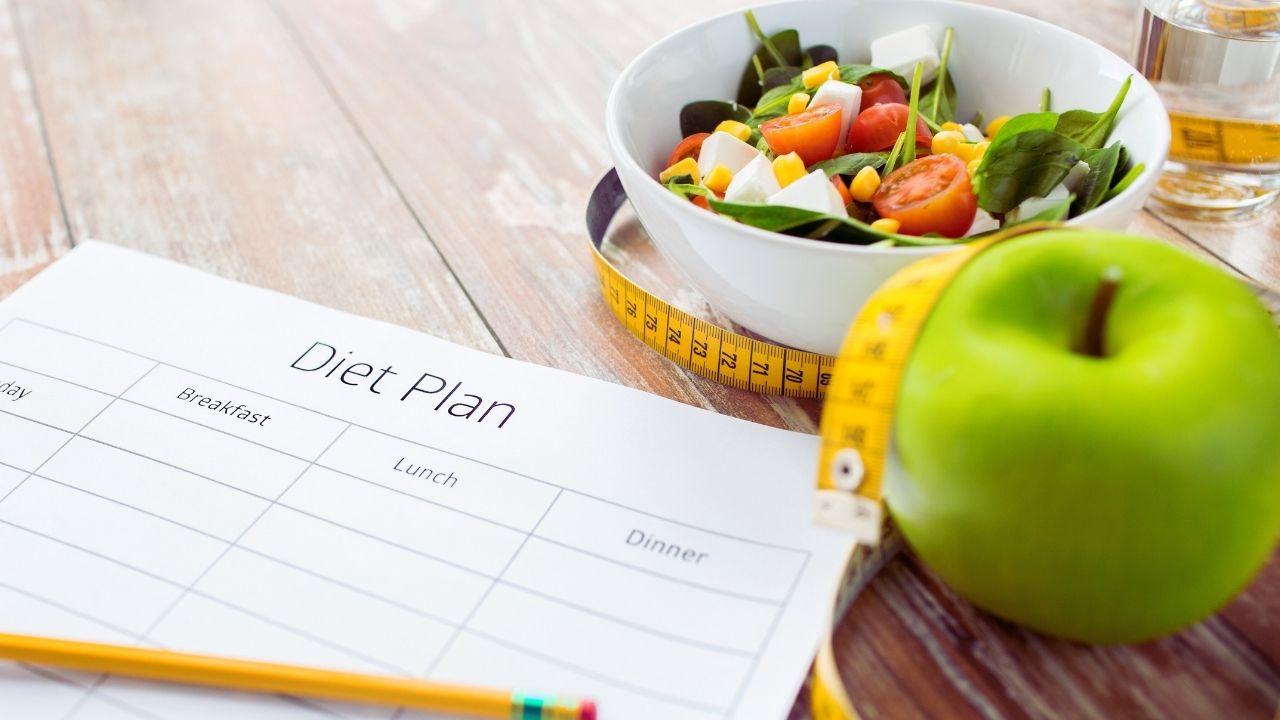
Para entrenadores personales, coaches nutricionales y dietistas, una de las fases más difíciles del viaje de un cliente comienza después de un programa exitoso de pérdida de grasa. Los saltos rápidos de calorías a menudo desencadenan rebote de peso, desaceleración metabólica y frustración — deshaciendo semanas de trabajo cuidadoso.
Ahí es donde entra la dieta inversa. Este aumento estratégico y gradual de calorías ayuda al cuerpo a recuperarse de un déficit calórico, restaura la energía y apoya el crecimiento muscular mientras minimiza la ganancia de grasa. Es un tema de alto interés con volumen de búsqueda creciente en EE.UU., lo que lo convierte en una herramienta valiosa tanto para los resultados del cliente como para tu visibilidad profesional.
¿Qué es la Dieta Inversa?
Reverse dieting is a gradual, structured increase in daily calories after a fat-loss phase. The goal is to help the body adapt to a higher energy intake without rapid fat regain .
During long or aggressive diets, metabolism adapts: resting metabolic rate slows and NEAT (non-exercise activity) drops. This is why jumping straight back to "normal eating" often causes fast weight rebound.
🔥 Protects metabolic health – Slowly raises calories so metabolic rate recovers. 💪 Improves training performance – More carbs and protein support strength and recovery. 🥗 Reduces binge risk – Planned increases prevent the "post-diet free-for-all."
Cuándo la Dieta Inversa Funciona Mejor
Reverse dieting is ideal for clients who:
✅ 12+ week fat-loss phase at low calories. 😴 Low energy, cold hands/feet, or stalled progress despite consistent training. 🏋️ Goal to maintain or build lean muscle after a successful cut.
It's not essential if a client is already near maintenance calories or hasn't dieted aggressively.
Protocolo de Dieta Inversa Paso a Paso
1️⃣ Establish Baseline Calories – Use the average intake from the final 1–2 dieting weeks. – Track weight consistently.
2️⃣ Add Calories Gradually – Increase by 50–100 kcal per week , mostly from carbs and a bit of fat. – Keep protein steady around 1.6–2.2 g/kg bodyweight .
3️⃣ Monitor Progress – Weigh 3–4 times per week and average it. – Check waist and strength metrics. – Hold calories steady if weight jumps more than 1% for two consecutive weeks.
4️⃣ Transition to Maintenance – Continue until you reach estimated TDEE (total daily energy expenditure) or the client feels energetic and recovers well.
Errores Comunes a Evitar
⚠️ Raising calories too fast – Leads to fat regain. 🛌 Ignoring lifestyle factors – Stress and poor sleep can slow metabolic recovery. 📏 Failing to track accurately – Eyeballing portions undermines data.
Herramientas para Hacerlo Fácil
🦖 Foodzilla meal planning software makes reverse dieting simple: ⚡ Auto-adjust meal plans as calorie targets rise. 📊 Track macronutrients and client feedback in one place. 💾 Save templates for future reverse dieting clients.
👉 Try Foodzilla free to build and track reverse dieting plans 10× faster.
Puntos Clave
🌱 Reverse dieting restores metabolism and energy after long diets. 📈 Start small—just 50–100 kcal per week —and monitor closely. 🧩 Use professional tools like Foodzilla to simplify tracking and client communication.
Aviso: Este artículo es solo para fines informativos y no es un sustituto de consejo médico o dietético personalizado. Siempre consulta a un proveedor de salud calificado antes de hacer cambios dietéticos significativos.
Referencias
Explora las Funciones de Foodzilla
1. Hall KD. Metabolic Adaptations to Weight Loss. Obesity (Silver Spring). 2018 May;26(5):790-791. doi: 10.1002/oby.22189. Epub 2018 Apr 10. PMID: 29637734; PMCID: PMC6086582.
2. Chica-Latorre S, Buechel C, Pumpa K, et al. After the spotlight: Are evidence-based recommendations for refeeding post-contest energy restriction available for physique athletes? A scoping review . J Int Soc Sports Nutr . 2022;19(1):505-528. doi:10.1080/15502783.2022.2108333
3. Kim JY. Optimal diet strategies for weight loss and weight loss maintenance . J Obes Metab Syndr . 2021;30(1):20-31. doi:10.7570/jomes20065
4. USDA – Dietary Guidelines for Americans 2020-2025
- Planificación Flexible de Comidas
- Bases de Datos Nutricionales
- Múltiples Elementos por Comida
- Herramientas de Creación de Recetas
- Colecciones de Recetas
- Importar Recetas