
Planificación de Comidas para Clientes en Pérdida de Peso: Mejores Prácticas
Evidence-based strategies for creating effective weight loss meal plans. Learn about calorie deficits, protein targets, satiety optimization, and sustainable approaches.
La pérdida de peso sigue siendo una de las razones más comunes por las que los clientes buscan orientación nutricional. El éxito requiere crear planes de comidas que no solo sean calóricamente apropiados sino también satisfactorios, sostenibles y adaptados a las preferencias individuales.
Estableciendo el Déficit Calórico Correcto
The foundation of weight loss is an energy deficit, but the size matters:
Calculate TDEE using validated equations, then subtract appropriately. Reassess every 2-4 weeks as weight changes.
- Moderate deficit (300-500 calories): 0.5-1 lb/week loss, sustainable, preserves muscle
- Larger deficit (500-750 calories): Faster loss but higher risk of muscle loss and hunger
- Aggressive deficit (>750 calories): Only appropriate for specific medical situations
Proteína: El MVP de la Pérdida de Peso
Higher protein intake during weight loss helps preserve muscle and increases satiety:
- Target: 1.6-2.2 g/kg body weight (or more for active individuals)
- Distribution: 25-40g per meal across 4+ eating occasions
- Sources: Lean meats, fish, eggs, dairy, legumes, tofu
Comer por Volumen para la Saciedad
Help clients eat satisfying volumes while staying in deficit:
- Non-starchy vegetables: Unlimited—high volume, minimal calories
- High-fiber foods: Promote fullness and slow digestion
- Lean proteins: Most satiating macronutrient
- Water-rich foods: Soups, salads, fruits
Consejos Prácticos de Planificación de Comidas
- Front-load protein: Include protein at breakfast and lunch
- Pre-portion snacks: Prevents mindless overeating
- Plan treats: Build in small portions of favorite foods
- Batch prep: Ready-to-eat healthy options reduce temptation
- Flexible structure: Some meal flexibility increases adherence
Evitando Errores Comunes
- Too restrictive: Leads to binge eating and abandonment
- Cutting too fast: Causes muscle loss and metabolic adaptation
- Ignoring preferences: Include foods clients actually enjoy
- All-or-nothing thinking: Progress, not perfection
Ejemplo de Día de 1,500 Calorías
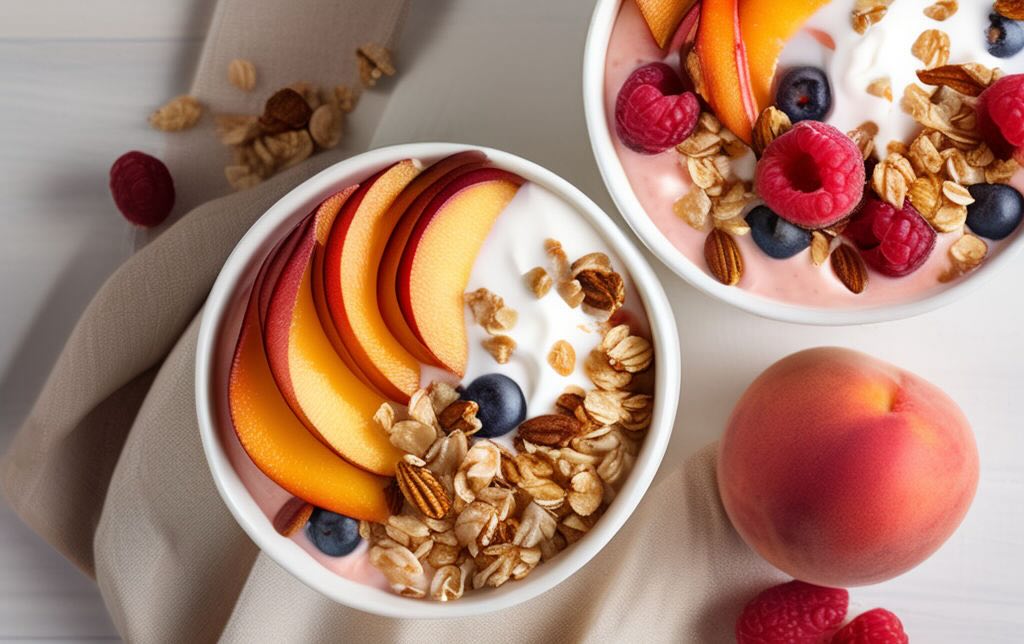
Breakfast: Greek yogurt parfait with berries and nuts (350 cal)
Lunch: Large salad with grilled chicken, vegetables, olive oil dressing (450 cal)
Snack: Apple with string cheese (150 cal)
Dinner: Baked fish, roasted vegetables, small portion of rice (450 cal)
Evening: Small dark chocolate square (100 cal)
Optimiza la Planificación de Comidas para Perder Peso
Explora las Funciones de Foodzilla
Foodzilla automatically generates calorie-controlled meal plans that hit protein targets and include satisfying, enjoyable meals—saving you hours of manual planning.
- Ingredientes Editables
- Análisis Nutricional
- Bases de Datos Nutricionales
- Setting Nutrition Goals
- Seguimiento de Macros
- Escáner de Código de Barras y Alimentos