
Meal Planning for Clients with PCOS: A Dietitian's Guide
Guía basada en evidencia para crear planes de comidas para clientes con SOP. Aprende sobre resistencia a la insulina, alimentos antiinflamatorios, proporciones de macros y estrategias prácticas de planificación de comidas.
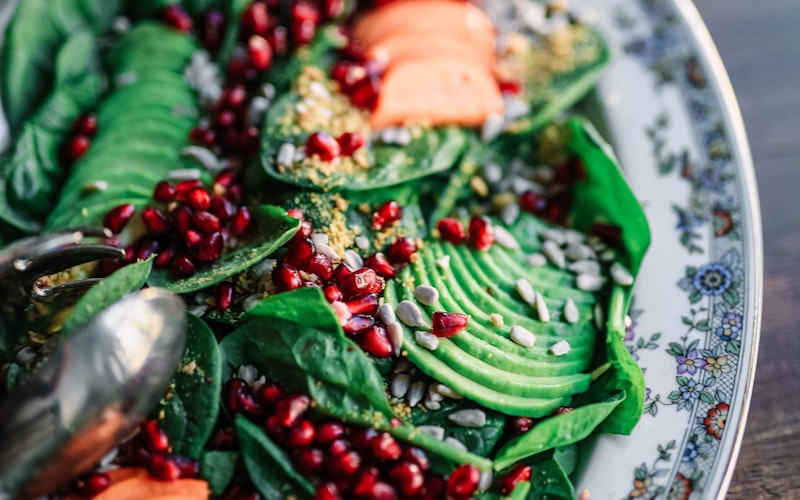
El Síndrome de Ovarios Poliquísticos (SOP) afecta a un estimado de 6-12% de las mujeres en edad reproductiva, haciéndolo uno de los trastornos endocrinos más comunes que encontrarás en la práctica nutricional. La planificación de comidas efectiva puede mejorar significativamente los síntomas, el equilibrio hormonal y la calidad de vida de estas clientes.
Esta guía cubre estrategias nutricionales basadas en evidencia para el SOP y consejos prácticos para crear planes de comidas que funcionen.
Entendiendo el SOP y la Nutrición
PCOS is characterized by hormonal imbalance, insulin resistance, and chronic low-grade inflammation. These factors make nutrition intervention particularly impactful:
- Insulin resistance: Present in 50-70% of PCOS patients, regardless of weight
- Androgen excess: Elevated testosterone and other androgens cause many symptoms
- Inflammation: Contributes to both symptoms and long-term health risks
- Weight management challenges: Hormonal imbalances make weight loss more difficult
Principios Nutricionales Clave para el SOP
1. Control del Azúcar en Sangre
2. Enfoque Antiinflamatorio
3. Ingesta Moderada de Carbohidratos
Managing blood sugar is the foundation of PCOS nutrition. Strategies include:
Reducing inflammation can improve hormone balance and symptoms:
Research suggests moderate carbohydrate restriction may benefit PCOS:
- Low glycemic index foods: Emphasize whole grains, legumes, non-starchy vegetables
- Protein at every meal: Slows carbohydrate absorption and improves satiety
- Fiber focus: Aim for 25-30g daily to improve insulin sensitivity
- Limit refined carbs: Reduce white bread, pasta, sugary foods and beverages
- Balanced meals: Combine carbs with protein and healthy fats
- Omega-3 fatty acids: Fatty fish, walnuts, flaxseed, chia seeds
- Colorful fruits and vegetables: Rich in antioxidants and phytonutrients
- Olive oil: Primary cooking fat
- Spices: Turmeric, ginger, cinnamon have anti-inflammatory properties
- Limit: Processed foods, fried foods, excessive red meat, refined sugars
- Target range: 40-45% of calories from carbohydrates (vs. typical 50-60%)
- Quality over quantity: Focus on complex, fiber-rich carbohydrates
- Individualize: Some clients do well with lower carb, others with Mediterranean-style
Proporciones de Macros para el SOP
While individual needs vary, research-supported starting points include:
Foodzilla lets you set these macro targets and automatically generate meal plans that hit them precisely.
- Carbohydrates: 40-45% of calories, primarily from whole food sources
- Protein: 25-30% of calories, distributed across meals
- Fat: 30-35% of calories, emphasizing unsaturated sources
Alimentos a Priorizar
- Proteins: Fish (especially fatty fish), chicken, turkey, eggs, legumes, tofu
- Vegetables: Leafy greens, broccoli, cauliflower, peppers, tomatoes, zucchini
- Fruits: Berries, apples, pears, citrus (moderate portions)
- Whole grains: Quinoa, oats, brown rice, barley
- Healthy fats: Avocado, olive oil, nuts, seeds
- Dairy alternatives: Unsweetened almond milk, coconut yogurt
Alimentos a Limitar o Evitar
- Refined carbohydrates: White bread, pasta, pastries, white rice
- Added sugars: Soda, candy, desserts, sweetened beverages
- Processed foods: Fast food, packaged snacks, processed meats
- Inflammatory fats: Trans fats, excessive saturated fat, vegetable oils high in omega-6
- Alcohol: Can worsen insulin resistance and hormone imbalance
Ejemplo de Día Amigable con el SOP
Breakfast: Greek yogurt with berries, walnuts, and chia seeds; or vegetable omelet with avocado
Lunch: Large salad with grilled salmon, chickpeas, olive oil dressing, and quinoa
Snack: Apple slices with almond butter; or vegetables with hummus
Dinner: Baked chicken with roasted vegetables and brown rice; or stir-fry with tofu and mixed vegetables
Suplementos a Considerar
Some supplements show promise for PCOS (recommend clients discuss with their healthcare provider):
- Inositol: May improve insulin sensitivity and ovulation
- Omega-3 fatty acids: Anti-inflammatory benefits
- Vitamin D: Often deficient in PCOS; supports hormone balance
- Magnesium: Supports blood sugar control
Consejos Prácticos para la Planificación de Comidas
- Meal prep: Batch cook proteins and vegetables for easy assembly
- Regular meals: Avoid skipping meals; regular eating supports blood sugar stability
- Mindful eating: Eat slowly, pay attention to hunger and fullness cues
- Plan treats: Include small portions of favorite foods to prevent deprivation
- Focus on addition: Add nutrient-dense foods rather than just restricting
Creando Planes de Comidas para SOP con Software
Explora las Funciones de Foodzilla
Meal planning software makes it easy to create consistent, PCOS-friendly plans:
Foodzilla helps you create professional PCOS meal plans in minutes, with automatic macro calculations and a database of appropriate recipes.
Aviso: Este artículo es con fines educativos y no debe reemplazar la terapia nutricional médica individualizada. La gestión del SOP debe involucrar colaboración con el equipo de atención médica del cliente.
- Set macro targets that match PCOS guidelines
- Filter recipes by glycemic index and ingredients
- Generate multiple plan options quickly
- Track client compliance and adjust as needed
- Listas de Compras Inteligentes
- Creating Custom Foods
- Mediciones Configurables
- Ingredientes Editables
- Análisis Nutricional
- Bases de Datos Nutricionales