
As the demand for plant-based and dairy-free alternatives continues to grow, coconut milk has emerged as a popular choice for those seeking nutritious and versatile substitutes for dairy products. Whether you're lactose intolerant, vegan, or simply looking to diversify your diet, understanding why coconut milk is dairy-free and its numerous benefits can help you make informed dietary choices. This comprehensive guide explores the nature of coconut milk, its nutritional profile, health benefits, potential drawbacks, and various ways to incorporate it into your meals.
What Is Coconut Milk?
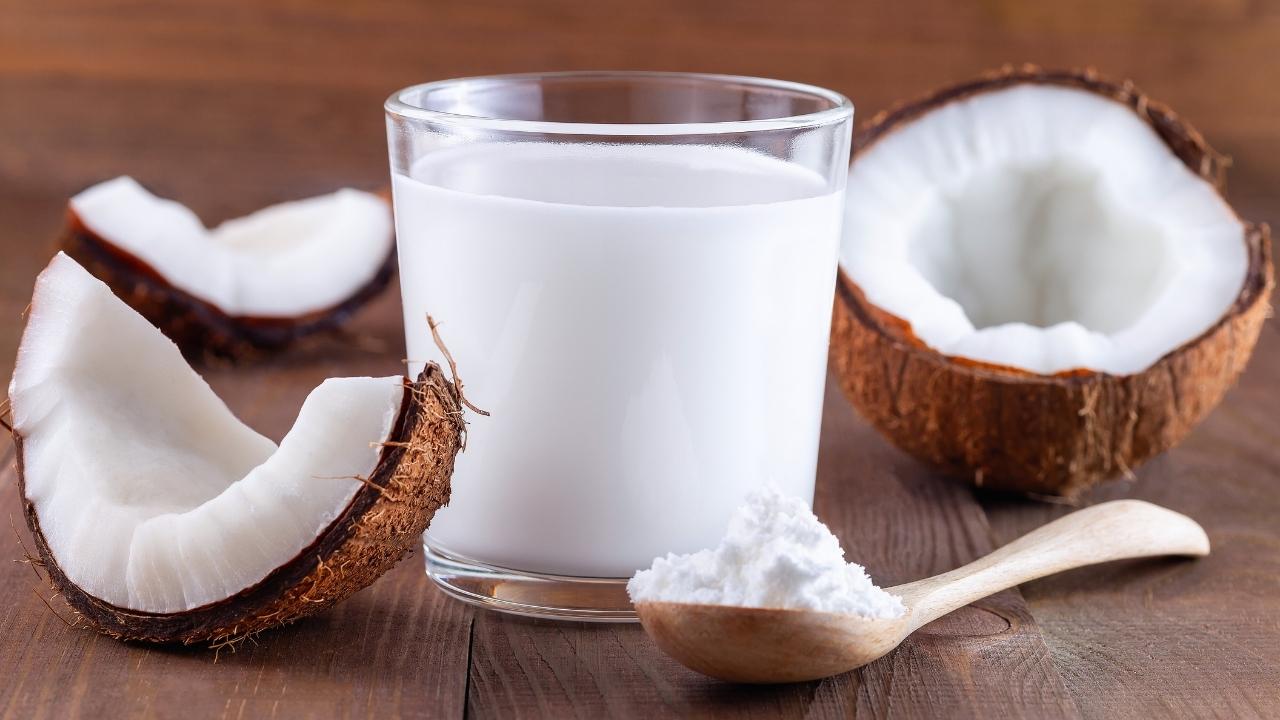
Coconut milk is a creamy liquid extracted from the grated pulp of mature coconuts. Unlike coconut water, which is clear and hydrating, coconut milk boasts a thicker consistency and richer taste, making it a popular ingredient in both culinary and beverage applications. It's widely used in tropical cuisines, smoothies, coffee, and baking as a dairy-free alternative to cow's milk.
Types of Coconut Milk
1. Full-Fat Coconut Milk: Contains around 17 grams of fat per cup, providing a rich and creamy texture ideal for cooking and baking.
2. Light Coconut Milk: Reduced in fat, offering fewer calories while maintaining a thinner consistency, suitable for beverages and lighter recipes.
3. Coconut Cream: Even higher in fat than full-fat coconut milk, used for desserts, curries, and as a topping.
Is Coconut Milk Dairy-Free?
Absolutely. Coconut milk is naturally dairy-free, making it an excellent option for those with lactose intolerance, dairy allergies, or individuals adhering to a vegan or plant-based diet. Since it's derived solely from coconuts, it contains no animal products, ensuring it aligns with various dietary restrictions and preferences.
Nutritional Profile of Coconut Milk
Understanding the nutritional content of coconut milk helps in making informed dietary choices. Here's a snapshot of the key nutrients found in one cup (240 ml) of full-fat coconut milk:
- - Calories: 552
-
- Total Fat: 57 grams
- - Saturated Fat: 51 grams
- - Cholesterol: 0 mg
- - Sodium: 24 mg
-
- Total Carbohydrates: 12
grams
- - Sugars: 6 grams
- - Protein: 5 grams
- - Calcium: 38 mg (4% DV)
- - Iron: 3.3 mg (18% DV)
- - Vitamin C: 2.5 mg (3% DV)
- - Potassium: 631 mg (18% DV)
DV = Daily Value
Key Nutritional Benefits
1. Healthy Fats: Rich in medium-chain triglycerides (MCTs), which are easily metabolized by the body for energy.
2. Iron: Supports the formation of red blood cells and overall energy levels.
3. Potassium: Essential for maintaining healthy blood pressure and heart function.
4. Vitamins and Minerals: Provides essential nutrients like vitamin C and calcium, though often fortified in commercial products.
Health Benefits of Coconut Milk
1. Promotes Heart Health
Despite its high saturated fat content, coconut milk contains MCTs that may help improve cholesterol levels by increasing HDL (good) cholesterol. This can contribute to a healthier heart when consumed in moderation.
2. Supports Weight Management
The MCTs in coconut milk are known to boost metabolism and increase feelings of fullness, potentially aiding in weight management. Incorporating coconut milk into a balanced diet can help reduce overall calorie intake by curbing hunger.
3. Enhances Bone Health
Coconut milk fortified with calcium and vitamin D supports bone density and strength, essential for preventing osteoporosis and maintaining overall skeletal health.
4. Boosts Immunity
Coconut milk contains lauric acid, which has antimicrobial properties that can help fight off infections and support the immune system.
5. Aids Digestion
The fiber content in coconut milk promotes healthy digestion and prevents constipation by facilitating smooth bowel movements.
Potential Drawbacks of Coconut Milk
1. High Saturated Fat Content
Coconut milk is rich in saturated fats, which, when consumed in excess, can lead to increased LDL (bad) cholesterol levels. It's essential to consume coconut milk in moderation as part of a balanced diet to avoid potential heart health issues.
2. Low Protein Content
Unlike soy or pea protein-based milks, coconut milk contains minimal protein. Individuals relying on milk as a primary protein source may need to supplement their diet with other protein-rich foods.
3. Added Sugars and Additives
Some commercial brands of coconut milk contain added sugars, preservatives, and emulsifiers to enhance flavor and texture. Opting for unsweetened and minimally processed versions can mitigate these concerns.
4. Allergies
Although rare, some individuals may have allergies to coconuts. It's important to check ingredient labels and consult with a healthcare provider if you have known allergies.
References
1. FoodData Central. (n.d.). https://fdc.nal.usda.gov/fdc-app.html#/food-details/170172/nutrients
2. Karunasiri AN, Gunawardane M, Senanayake CM, Jayathilaka N, Seneviratne KN. Antioxidant and Nutritional Properties of Domestic and Commercial Coconut Milk Preparations. Int J Food Sci. 2020 Aug 1;2020:3489605. doi: 10.1155/2020/3489605. PMID: 32832538; PMCID: PMC7422486.
3. Plant-based milks have benefits for the heart and the planet. (2022, February 16). News. https://www.hsph.harvard.edu/news/hsph-in-the-news/plant-based-milks-heart-planet-health/
4. He H, Liu K, Liu M, Yang AJ, Cheng KW, Lu LW, Liu B, Chen JH. The impact of medium-chain triglycerides on weight loss and metabolic health in individuals with overweight or obesity: A systematic review and meta-analysis. Clin Nutr. 2024 Aug;43(8):1755-1768. doi: 10.1016/j.clnu.2024.06.016. Epub 2024 Jun 19. PMID: 38936302.
5. Hauy, B. N.,et al. (2020). Effects of consumption of coconut and cow's milk on the metabolic profile of Wistar rats fed a hyperprotein diet [Abstract]. https://pubmed.ncbi.nlm.nih.gov/32544020/