
How to Start a Dietitian Private Practice: Complete Guide
Learn how to start your own dietitian private practice. This comprehensive guide covers business planning, legal requirements, pricing, marketing, and the essential software tools you need.
Starting your own dietitian private practice is one of the most rewarding career moves you can make. You get to work with clients you're passionate about helping, set your own schedule, and build a business that reflects your values and expertise. But knowing where to begin can feel overwhelming.
This comprehensive guide walks you through everything you need to know—from the initial planning stages to landing your first clients and scaling your practice for long-term success.
Step 1: Define Your Niche and Ideal Client
Before you start setting up your practice, get crystal clear on who you want to serve. Trying to be everything to everyone is a recipe for burnout and ineffective marketing. The most successful private practice dietitians specialize.
Questions to ask yourself:
Popular dietitian niches include: sports nutrition, eating disorders, pediatric nutrition, gut health (IBS, FODMAP), weight management, diabetes management, prenatal/postnatal nutrition, plant-based diets, and corporate wellness.
- What populations do you have the most experience working with?
- What nutrition challenges are you most passionate about solving?
- What types of clients energize you vs. drain you?
- Is there an underserved market in your area or online?
Step 2: Create Your Business Plan
A dietitian business plan doesn't need to be a 50-page document, but you should have clear answers to these questions:
- Services: What will you offer? Individual counseling, group programs, meal planning, corporate workshops?
- Pricing: How much will you charge? (More on this below)
- Location: Will you see clients in-person, virtually, or both?
- Target revenue: How much do you need/want to earn?
- Client capacity: How many clients can you realistically serve well?
- Startup costs: What do you need to invest upfront?
Step 3: Handle Legal and Business Requirements
Business Structure
Licenses and Credentials
Insurance
Getting your legal foundation right protects you and your practice. Requirements vary by location, but here's what most dietitians need:
Most dietitians start as a sole proprietorship or LLC (Limited Liability Company). An LLC provides personal liability protection and is relatively simple to set up. Consult with an accountant or business attorney for advice specific to your situation.
- Maintain your RD/RDN credential through the Commission on Dietetic Registration
- Obtain state licensure if required in your state
- Register your business name with your state
- Get an EIN (Employer Identification Number) from the IRS
- Professional liability insurance: Essential protection against malpractice claims
- General liability insurance: Covers accidents in your office space
- Business insurance: Protects equipment and assets
Step 4: Set Your Pricing
Calculate Your Required Hourly Rate
Common Pricing Models
Pricing is one of the most challenging aspects for new practice owners. Many dietitians undercharge, which leads to burnout and resentment. Here's how to price confidently:
Start with your desired annual income, add business expenses (software, insurance, marketing, continuing education), then divide by billable hours. Remember that you won't be billing 40 hours a week—account for administrative time, marketing, and client prep.
Pro tip: Package and program pricing often works better than hourly rates because it focuses on outcomes rather than time, and clients commit upfront.
- Hourly/session rates: $100-$250+ per session is typical for private practice RDs
- Package pricing: Bundle sessions together (e.g., 6 sessions for $600) for better client commitment and cash flow
- Monthly retainer: Ongoing support for a flat monthly fee
- Program pricing: Fixed-price programs for specific outcomes (e.g., 12-week gut health program)
Step 5: Set Up Your Practice Infrastructure
Essential Software
Physical Setup (If Seeing Clients In-Person)
The right tools make your practice run smoothly and professionally. Here's what you need:
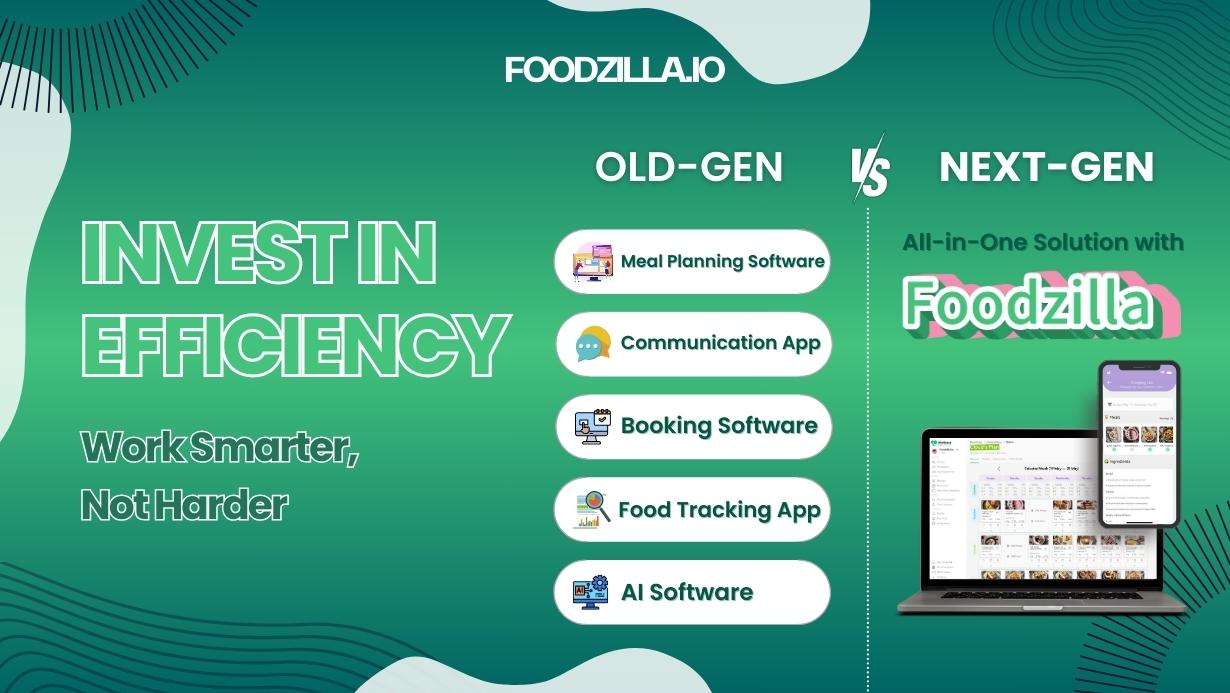
Foodzilla combines several of these needs in one platform—meal planning, client management, a branded mobile app, and online payments—so you don't need to piece together multiple tools. Learn more about why it's the best nutrition software for private practice .
- Practice management software: For scheduling, client records, and billing
- Meal planning software: To create professional meal plans efficiently
- Video calls: Built into Foodzilla via Foodzilla Meet for telehealth appointments — no separate video conferencing subscription needed
- Accounting software: To track income and expenses
- Email marketing: To nurture leads and stay in touch with clients
- Office space (rented, shared, or home office)
- Comfortable seating for consultations
- Scale and other assessment tools
- Professional environment for client comfort
Step 6: Build Your Online Presence
Professional Website
Google Business Profile
Social Media
In today's world, potential clients will Google you before booking. Here's the minimum you need:
Your website should clearly communicate who you help, how you help them, and how to work with you. Include:
Even if you work virtually, set up a Google Business Profile. It helps you appear in local searches and builds credibility.
Choose one or two platforms where your ideal clients spend time. Quality over quantity—it's better to be consistent on one platform than sporadic on five.
- Clear description of your services and specialties
- Your credentials and background
- Pricing or "starting at" information
- Easy way to book a discovery call or first appointment
- Testimonials (once you have them)
Step 7: Get Your First Clients
Leverage Your Network
Offer Discovery Calls
Create Valuable Content
Consider a Launch Offer
This is where many new practice owners struggle. Here are proven strategies:
Free 15-20 minute discovery calls let potential clients experience your expertise and personality before committing. Many will convert to paying clients.
Blog posts, social media content, and email newsletters demonstrate your expertise and attract ideal clients organically over time.
A limited-time discount or bonus for your first few clients can help you build momentum and gather testimonials quickly.
- Tell everyone you know that you're starting a practice
- Reach out to former colleagues and supervisors for referrals
- Connect with doctors, therapists, and other health professionals who might refer clients
Step 8: Deliver Exceptional Client Experiences
Your reputation is built on results and client satisfaction. Focus on:
Using a platform like Foodzilla with a client mobile app makes your practice feel established and professional while giving clients convenient access to everything they need.
- Clear communication: Set expectations upfront about what working with you looks like
- Professional materials: Use polished meal plans, handouts, and resources
- Consistent follow-up: Check in between sessions to show you care
- Measurable outcomes: Track progress so clients see their results
- Easy access: Make it simple for clients to reach you, view their plans, and track progress
Step 9: Scale Your Practice
Once you've established a steady client base, think about growth:
- Group programs: Serve more clients in less time with group coaching
- Digital products: Create courses, meal plan templates, or guides for passive income
- Corporate contracts: Partner with businesses for employee wellness programs
- Raise your rates: As demand increases, increase your prices
- Hire support: Bring on an assistant or associate dietitian
Common Mistakes to Avoid
- Undercharging: Know your worth and price accordingly
- Trying to serve everyone: Niching down makes marketing easier and results better
- Neglecting the business side: You're a business owner now, not just a clinician
- Waiting for perfect: Start before you feel ready—you'll learn as you go
- Doing everything manually: Invest in software that saves time from day one
Ready to Start Your Private Practice?
Explore Foodzilla Features
Starting a dietitian private practice takes courage, but with the right preparation and tools, you can build a thriving business doing work you love. Focus on serving your ideal clients exceptionally well, and the rest will follow.
Foodzilla helps dietitians run efficient, professional practices with automated meal planning, client management, online payments, and a branded mobile app. Start your free trial and see how the right tools can set your practice up for success.
- White-Label App
- Branded Mobile App
- Client Portal
- Team Management
- Role-Based Access Control
- Flexible Client Registration