
Creating Diabetes-Friendly Meal Plans with Software
Learn how to create effective meal plans for clients with diabetes. Covers carbohydrate counting, glycemic index, blood sugar management, and using meal planning software.
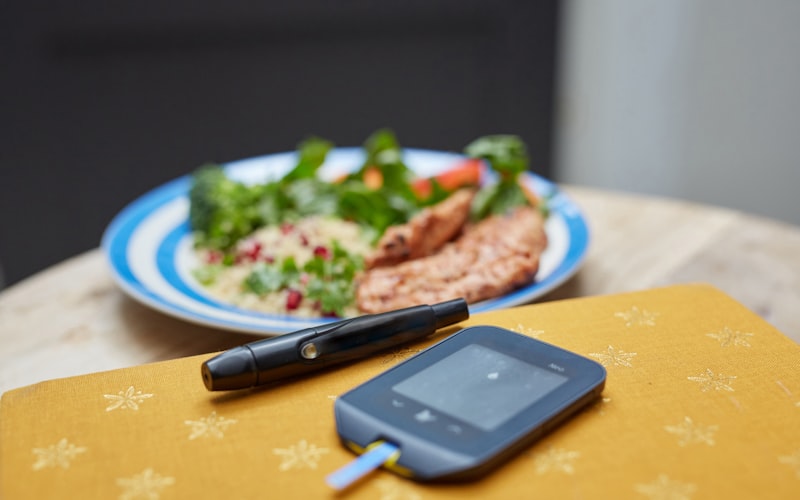
With over 37 million Americans living with diabetes and another 96 million with prediabetes, diabetes-focused meal planning is a critical skill for nutrition professionals. The right approach to meal planning can help clients manage blood sugar, reduce medication needs, and prevent complications.
This guide covers evidence-based strategies for diabetes meal planning and how software can streamline the process.
Principles of Diabetes Nutrition
Carbohydrate Management
Balanced Plate Method
Carbohydrates have the most significant impact on blood glucose. Effective management strategies include:
The Diabetes Plate Method is a simple approach:
- Consistent carbohydrate intake: Similar amounts at each meal helps predict blood sugar response
- Carbohydrate counting: Tracking total grams of carbs per meal
- Glycemic index consideration: Choosing lower GI foods when possible
- Fiber focus: High-fiber carbs have less blood sugar impact
- 1/2 plate: Non-starchy vegetables (broccoli, salad, green beans)
- 1/4 plate: Lean protein (chicken, fish, tofu, eggs)
- 1/4 plate: Carbohydrate foods (grains, starchy vegetables, fruit)
- Plus: Water or zero-calorie beverage
Setting Carbohydrate Targets
Carbohydrate needs are individualized, but common targets include:
Meal planning software like Foodzilla can automatically calculate carbohydrates and generate plans that hit specific targets.
- Per meal: 45-60g carbohydrates (or as prescribed by healthcare team)
- Per snack: 15-20g carbohydrates
- Daily total: Often 45-50% of calories, adjusted based on glucose response
Foods to Emphasize
Non-Starchy Vegetables
Lean Proteins
Healthy Fats
Smart Carbohydrate Choices
- Leafy greens (spinach, kale, lettuce)
- Cruciferous vegetables (broccoli, cauliflower, Brussels sprouts)
- Peppers, tomatoes, cucumbers, zucchini
- Green beans, asparagus, mushrooms
- Fish and seafood (especially fatty fish for omega-3s)
- Chicken and turkey (without skin)
- Legumes (beans, lentils)
- Eggs and egg whites
- Tofu and tempeh
- Olive oil, avocado oil
- Avocados
- Nuts and seeds
- Fatty fish
- Whole grains (oats, quinoa, brown rice, barley)
- Legumes (black beans, chickpeas, lentils)
- Fruits (berries, apples, pears - in appropriate portions)
- Sweet potatoes (in moderation)
Foods to Limit
- Refined grains: White bread, white rice, regular pasta
- Added sugars: Soda, candy, desserts, sweetened beverages
- Processed foods: Often high in sodium, added sugars, and unhealthy fats
- Saturated fats: Fatty meats, full-fat dairy, fried foods
- Excessive alcohol: Can cause blood sugar fluctuations
Sample Diabetes-Friendly Day
Breakfast (45g carbs): Steel-cut oatmeal with berries and walnuts, scrambled eggs
Lunch (45g carbs): Large salad with grilled chicken, chickpeas, vegetables, olive oil dressing, small whole wheat roll
Snack (15g carbs): Apple with almond butter
Dinner (45g carbs): Baked salmon, roasted vegetables, quinoa, side salad
Using Software for Diabetes Meal Planning
Meal planning software makes diabetes-friendly planning more efficient:
Foodzilla includes all these features, plus a client mobile app where clients can view meal plans, log food, and track their progress.
- Automatic carb counting: No manual calculations needed
- Consistent portions: Standardized recipes ensure reliable carb counts
- Macro targets: Set carbohydrate goals and auto-generate compliant plans
- Recipe filtering: Find low-glycemic, diabetes-appropriate recipes easily
- Client tracking: Monitor food intake and blood sugar patterns together
Working with the Healthcare Team
Diabetes management requires coordination with the client's healthcare team:
- Communicate with physicians about nutrition plans
- Coordinate meal timing with medication schedules
- Adjust plans based on blood sugar monitoring data
- Report significant changes in eating patterns that might affect medication needs
Start Creating Diabetes Meal Plans
Explore Foodzilla Features
Effective diabetes meal planning combines evidence-based nutrition principles with practical, enjoyable meals. The right software tools make it possible to create consistent, carbohydrate-controlled meal plan templates efficiently.
Try Foodzilla to see how automated meal planning can help you serve clients with diabetes more effectively.
Disclaimer: This article provides general information. Medical nutrition therapy for diabetes should be individualized and coordinated with the client's healthcare team. Always refer to current ADA guidelines and work within your scope of practice.
- Wholefoods & Branded Databases
- AI Meal Plan Generation
- Flexible Meal Planning
- Smart Grocery Lists
- Creating Custom Foods
- Configurable Measurements