
Starting a Nutrition Practice in New Zealand: Complete Guide
Complete guide to starting a nutrition practice in New Zealand. Covers NZRD and NSNZ credentials, business registration, insurance, pricing, and software for NZ nutrition professionals.
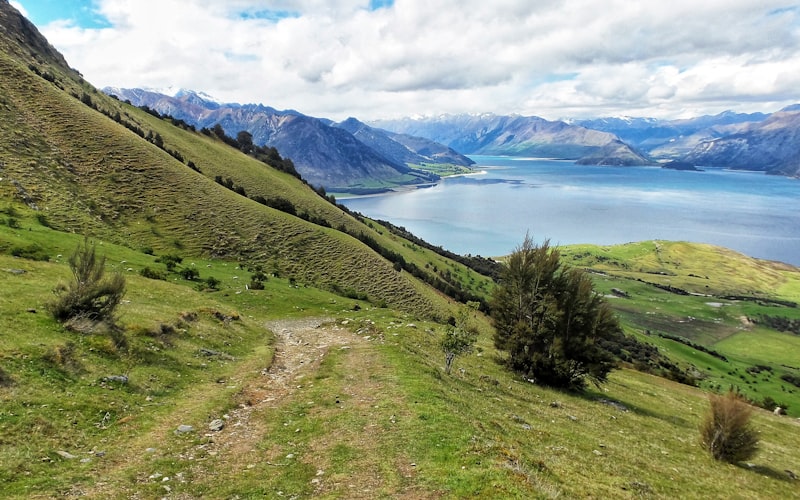
New Zealand offers excellent opportunities for nutrition professionals looking to start their own practice. With growing awareness of diet-related health issues—including our high rates of obesity and diabetes—demand for qualified nutrition services continues to increase across Aotearoa.
Whether you're a New Zealand Registered Dietitian (NZRD), an NSNZ Registered Nutritionist, or building a nutrition coaching business, this guide covers everything you need to know about starting a nutrition practice in New Zealand.
Understanding NZ Nutrition Credentials
NZ Registered Dietitians (NZRD)
NSNZ Registered Nutritionists
New Zealand has two main professional pathways for nutrition professionals:
Dietitians in New Zealand are regulated under the Health Practitioners Competence Assurance (HPCA) Act 2003. To use the title "Dietitian," you must be registered with the Dietitians Board. Key points:
The Nutrition Society of New Zealand (NSNZ) provides voluntary registration for nutritionists who meet their qualification and experience criteria. While not legally protected, NSNZ registration demonstrates professional credibility:
- Protected title under NZ law
- Requires approved qualification (typically Bachelor's degree in dietetics)
- Annual Practising Certificate required
- Continuing competence requirements
- Can work in clinical, community, and private practice settings
- Voluntary registration (not legally required to practice)
- Requires relevant nutrition qualification
- Demonstrates commitment to professional standards
- Access to NSNZ member benefits and professional network
- 10% discount on Foodzilla subscriptions
Step 1: Get Your Credentials in Order
For Dietitians:
For Nutritionists:
- Ensure your registration with the Dietitians Board is current
- Obtain your Annual Practising Certificate
- Consider joining Dietitians NZ for professional support and advocacy
- Apply for NSNZ registration if you meet the criteria
- Maintain your professional development records
- Consider additional certifications relevant to your niche
Step 2: Register Your Business
Business Structure
Essential Registrations
Setting up your business properly from the start saves headaches later. Here's what you need:
Most NZ nutrition professionals start as either:
Get advice from an accountant before choosing your structure—the right choice depends on your situation and growth plans.
- Sole trader: Simplest option. You operate under your own name, income is taxed personally. Easy to set up and manage.
- Company (Ltd): Separate legal entity with limited liability. More complex but offers asset protection and potential tax benefits as you grow.
- IRD number: If you don't already have one for your business activities.
- GST registration: Required once turnover exceeds $60,000. Optional below this threshold but can be beneficial.
- Business name: Register through the Companies Office if using a name other than your own.
Step 3: Arrange Insurance
Professional Indemnity Insurance
Public Liability Insurance
Professional insurance protects you and your clients. You'll need:
Covers claims arising from your professional advice. This is essential for any nutrition professional giving dietary guidance. Several NZ insurers offer policies for allied health professionals.
Covers claims from accidents or injuries on your premises or during your work. Important if you see clients in person.
Step 4: Choose Your Practice Model
Telehealth/Virtual Practice
In-Person Clinic
Hybrid Model
Corporate & Workplace
New Zealand nutrition professionals run successful practices in several formats:
Run your practice entirely online. Perfect for reaching clients across NZ's spread-out population, from Auckland to Invercargill. Lower overheads and flexible scheduling.
Traditional consulting rooms. Options include your own space, subletting from a GP or allied health clinic, or using serviced offices. Consider locations accessible to your target clients.
Combine in-person and virtual consultations. Many clients prefer meeting in person initially with follow-ups via video call.
Provide nutrition services to businesses—workplace wellness programs, lunch-and-learns, and employee health initiatives. Growing demand from NZ employers focused on staff wellbeing.
Step 5: Set Your Pricing
Pricing varies across New Zealand. Consider:
- Market rates: Dietitians and nutritionists in NZ typically charge $100-$180+ for initial consultations, $70-$130+ for follow-ups. Rates vary by location and specialisation.
- Your costs: Factor in room rent (if applicable), insurance, software, professional development, and your time.
- Package pricing: Offering packages (e.g., initial consultation plus 3 follow-ups plus meal plans) can improve client commitment and your cash flow.
- Private health insurance: Some NZ health insurers cover dietitian consultations. Check if you can register as a provider with Southern Cross and other insurers.
Step 6: Set Up Your Technology
Meal Planning Software
Practice Management
Video Conferencing
Accounting
The right software makes your practice professional and efficient:
Foodzilla is built in New Zealand and includes the NZ Food Composition Database. As an official NSNZ partner, we offer 10% off for NSNZ members. Create professional meal plans quickly, communicate with clients through a branded app, and manage your practice efficiently.
For scheduling, client records, and invoicing. Options include Cliniko (popular with allied health), Timely (NZ-based), or simpler solutions like Calendly plus Xero.
Foodzilla Meet (built into Foodzilla), or Zoom, Microsoft Teams, and Google Meet for telehealth consultations. With Foodzilla Meet clients join in one tap with nothing to install. Ensure your setup looks professional—good lighting, quiet background, stable internet.
Xero is the NZ standard for small business accounting. Makes GST returns, expense tracking, and working with your accountant straightforward.
Step 7: Build Your Client Base
Referral Networks
Online Presence
Directories & Listings
Getting your first clients requires hustle. Proven strategies for NZ nutrition professionals:
- Connect with local GPs, practice nurses, and medical centres
- Build relationships with personal trainers and gyms
- Network with other health professionals—physios, psychologists, naturopaths
- Create a professional website with clear information about your services
- Set up Google Business Profile for local search visibility
- Be active on social media where your target clients spend time
- NSNZ "Find a Nutritionist" directory (for members)
- Dietitians NZ directory (for dietitians)
- Health Navigator NZ and other healthcare directories
- Southern Cross and other health insurer provider directories
Step 8: Deliver Excellent Service
Your reputation is everything. Focus on:
- Professional materials: Use Foodzilla to deliver polished meal plans with NZ foods your clients recognise.
- Client communication: Respond promptly, be approachable, and make clients feel supported.
- Follow-through: Check in between sessions. A client app makes ongoing support seamless.
- Measurable outcomes: Track progress so clients see their results.
NZ-Specific Considerations
ACC
DHB/Te Whatu Ora Contracts
Cultural Competence
Dietitians can provide ACC-funded services for injury-related nutrition needs. Check ACC's allied health guidelines for eligibility and claiming processes.
Some regions offer contracts for community nutrition services. These can provide steady income alongside private clients.
Working effectively with Maori and Pacific communities requires cultural understanding. Consider training in Te Tiriti o Waitangi principles and culturally appropriate practice.
Ready to Start Your NZ Nutrition Practice?
Explore Foodzilla Features
Starting a nutrition practice in New Zealand is achievable with the right preparation. Get your credentials sorted, set up your business properly, invest in professional tools, and focus on delivering excellent client care.
Foodzilla is built in New Zealand for New Zealand nutrition professionals. With the NZ Food Composition Database, NSNZ partnership benefits, and local support, we help you run an efficient, professional practice. Start your free trial today.
- Team Management
- Role-Based Access Control
- Flexible Client Registration
- Automated Nutrition Reports
- AI Meal Plan Generation
- Telehealth Consultations