
USDA 2025-2030 Dietary Guidelines: How Foodzilla Supports the New Serving Size Recommendations
Discover how Foodzilla helps nutrition professionals implement the new USDA 2025-2030 Dietary Guidelines with built-in serving size recommendations and automated meal plan generation.
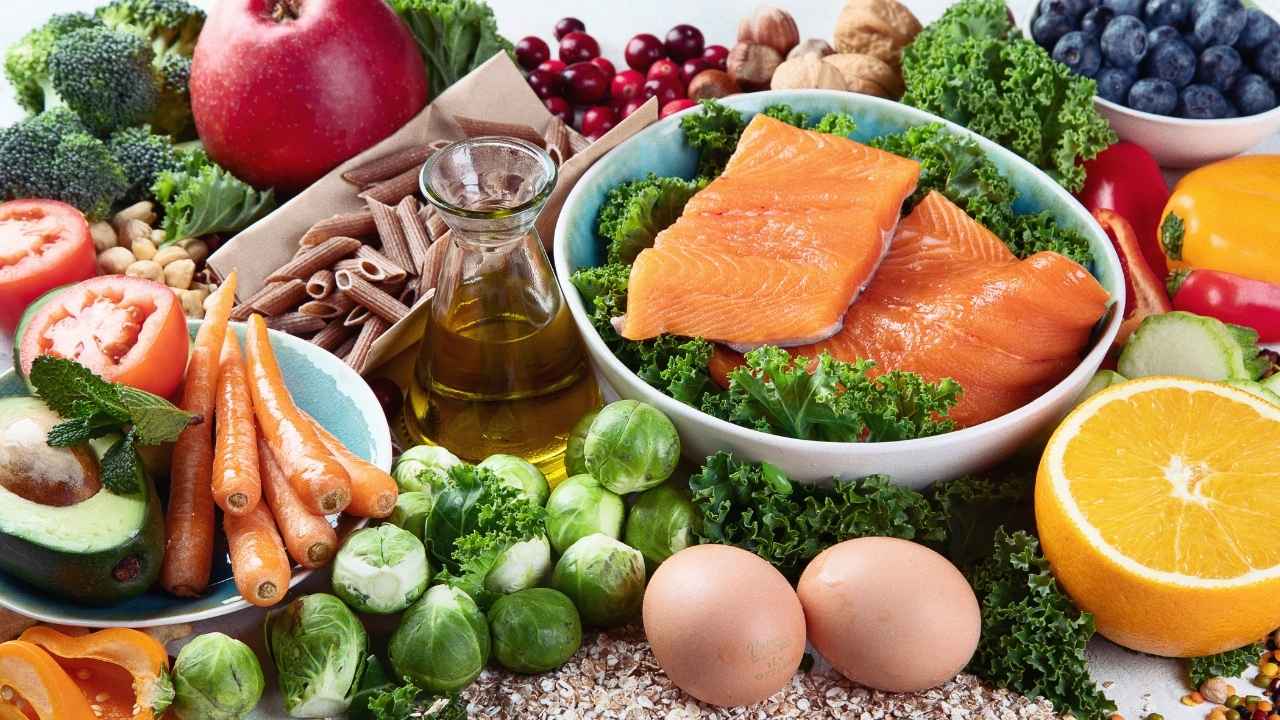
The USDA and HHS released the 2025-2030 Dietary Guidelines for Americans on January 7, 2026, bringing significant updates to national nutrition policy. For nutrition professionals working with US clients, these guidelines represent the gold standard for evidence-based dietary recommendations. The good news? Foodzilla already supports specifying serving sizes based on these new USDA recommendations, and this feature is available to all customers worldwide, not just those in the US.
This edition of the guidelines carries a clear message: Eat real food. The guidance prioritizes whole, healthy foods while limiting highly processed foods, added sugars, and refined carbohydrates. For registered dietitians, nutritionists, and health coaches, translating these recommendations into actionable meal plans just got easier.
Key Serving Size Updates in the 2025-2030 Guidelines
The new guidelines provide specific serving recommendations that nutrition professionals can use as a foundation for client meal plans. Here are the key targets for a 2,000-calorie dietary pattern:
🥛 Dairy: 3 servings per day, adjusting based on individual caloric requirements. This includes milk, yogurt, cheese, and fortified alternatives.
🌾 Whole Grains: 2-4 servings per day, with emphasis on choosing whole grains over refined options. The guidelines specifically recommend making at least half of all grains whole grains.
🥦 Vegetables: A variety of colorful, nutrient-dense vegetables in their whole form. The guidelines emphasize eating vegetables across all subgroups including dark green, red and orange, legumes, starchy, and other vegetables.
🍎 Fruits: Whole fruits are preferred over juices. When 100% fruit juice is consumed, it should be in limited portions or diluted with water.
🍗 Protein: A variety of high-quality, nutrient-dense protein foods from both animal sources (eggs, poultry, seafood, red meat) and plant sources (beans, peas, lentils, nuts, seeds, soy products).
🫒 Fats: Saturated fat consumption should not exceed 10% of total daily calories. The guidelines note that significantly limiting highly processed foods will help meet this goal.
How Foodzilla Supports the New USDA Guidelines
As a nutrition professional, implementing new guidelines across your entire client base can feel overwhelming. That's where Foodzilla's platform makes a real difference. Our system supports the 2025-2030 USDA serving size recommendations, and this feature is available to all Foodzilla customers regardless of location.
📊 Built-in Serving Size Settings: Foodzilla allows you to set client targets by food group that align directly with USDA recommendations. Configure daily serving goals for dairy, whole grains, vegetables, fruits, and protein based on each client's caloric needs. You can customize these serving sizes on a per-client basis directly from each client's Health Goals page, giving you full control over individualized recommendations.
🤖 Automated Meal Plan Generation: Our AI-powered meal plan generator creates balanced meal plans that automatically meet USDA serving recommendations. No more manually calculating whether a meal plan hits the right number of vegetable servings or whole grain portions.
🎯 Client-Specific Customization: The guidelines adjust serving sizes based on caloric needs. Foodzilla makes it simple to scale recommendations up or down whether your client needs 1,600 calories or 2,400 calories per day. Navigate to any client's Health Goals page to adjust their individual serving size targets, ensuring each client receives truly personalized recommendations.
📱 Client Tracking and Compliance: Through the Foodzilla mobile app, clients can track their food intake against their personalized serving targets. You can monitor their adherence to the guidelines and make adjustments during follow-up consultations.
Why These Guidelines Matter for Your Practice
The 2025-2030 Dietary Guidelines inform everything from federal nutrition programs to insurance reimbursement policies. When your meal plans align with these standards, you demonstrate evidence-based practice that builds client trust and professional credibility.
🏥 Healthcare Integration: Many healthcare systems and insurance providers reference USDA guidelines when evaluating nutrition interventions. Meal plans that follow these standards are easier to justify for medical nutrition therapy documentation.
📚 Client Education: The guidelines provide a science-backed framework for explaining dietary recommendations to clients. When clients understand their meal plan reflects national nutrition policy, they often show improved dietary adherence .
⚖️ Legal Protection: Following recognized dietary guidelines helps protect your practice. Recommendations that align with USDA standards demonstrate you are providing care consistent with accepted nutrition science.
Practical Tips for Implementing the Guidelines
Here's how to put the new guidelines into practice with your clients using Foodzilla:
1. Start with a baseline assessment. Use Foodzilla's intake forms to collect dietary recalls and food preferences. Understanding current eating patterns helps you identify which serving recommendations need the most attention.
2. Set appropriate calorie targets. The USDA provides serving recommendations at multiple calorie levels. Configure each client's profile with their appropriate daily calorie target so serving recommendations scale correctly.
3. Generate guideline-aligned meal plans. Use Foodzilla's meal plan generator to create weekly plans that meet USDA serving targets. The system automatically balances food groups across meals and days.
4. Customize for preferences and restrictions. The guidelines are flexible by design. Foodzilla allows you to swap ingredients and recipes while maintaining compliance with serving recommendations. Learn more about creating personalized meal plans for each client. A vegetarian client can meet protein targets through plant-based options; a lactose-intolerant client can use fortified alternatives for dairy servings.
5. Monitor and adjust. Review client progress through Foodzilla's tracking features. If a client consistently falls short on vegetable servings, you can modify their plan to include more vegetable-forward recipes.
The "Real Food" Emphasis
One of the most notable aspects of the 2025-2030 guidelines is the explicit emphasis on whole, minimally processed foods. This aligns with what many nutrition professionals have been recommending for years. The guidelines specifically call out limiting highly processed foods as a key strategy for reducing added sugars, sodium, and saturated fat intake.
Foodzilla's recipe database and meal planning tools prioritize whole food ingredients. When generating meal plans, the system favors recipes built around vegetables, fruits, whole grains, lean proteins, and healthy fats rather than heavily processed convenience foods.
Get Started with Guideline-Compliant Meal Planning
The 2025-2030 Dietary Guidelines for Americans provide a clear framework for healthy eating. With Foodzilla, translating these guidelines into personalized, practical meal plans for your clients takes minutes instead of hours.
🦖 Foodzilla's meal planning platform puts USDA serving size recommendations at your fingertips. Generate balanced meal plans, track client compliance, and demonstrate evidence-based practice to every client you serve.
Disclaimer: This article is for educational purposes only and does not replace personalized medical or dietetic advice. Always tailor dietary recommendations to individual client needs, health conditions, and preferences.
Related Articles
Explore more resources to help you implement evidence-based nutrition practices:
📖 Understanding the 2025 Dietary Guidelines for Americans
🤖 How to Automate Meal Planning with Foodzilla
📊 Boosting Dietary Adherence in Your Clients
🎯 Mastering Personalized Meal Plans
References
Explore Foodzilla Features
1. Dietary Guidelines for Americans, 2025-2030
2. USDA Food and Nutrition Service: Dietary Guidelines
3. Scientific Report of the 2025 Dietary Guidelines Advisory Committee
4. MyPlate.gov: Practical Meal Planning Tools
- Food Data Import
- Custom Measurements
- Recipe Databases
- Nutrition Databases
- Nutritional Analysis
- Creating Custom Foods